

Oriental medicine refers to a master’s programme of Acupuncture and in these herbal medicine. The programmes lead to an MSOM (Masters of Science in Oriental Medicine) or MSTOM (Masters of Science in Traditional Oriental Medicine) degree.
These master’s programmes aim to produce practitioners of Oriental medicine who are competent to function as primary, independent health care providers. The programmes enable graduates to take any California, Illinois,or New York State Licensure Examination and the National Certification Examinations.
If you have a taste for alternative therapies, this is a good career option to consider. There is a growing demand for traditional healing methods, and training in Oriental medicine can position you well to take advantage of this. Oriental medicine practice can be both professionally satisfying and financially rewarding. There are several schools across the US that offer these programs. Acupuncture professionals earn up to $60,000 per year.
Navigating the landscape of acceptance and regulation for acupuncture and Oriental medicine in the US presents various challenges that practitioners and stakeholders must address. One significant challenge is the lack of consistent regulation across states. Regulations can vary widely, leading to confusion and inconsistency in standards of practice. This lack of uniformity can hinder the acceptance of acupuncture as a legitimate form of healthcare.
Another challenge is the skepticism and misunderstanding of acupuncture within the conventional medical community. While acceptance is growing, there’s still resistance from some medical professionals who question the efficacy and safety of acupuncture treatments. This skepticism can impede collaboration between acupuncturists and other healthcare providers, limiting the integration of acupuncture into mainstream healthcare.
Additionally, the lack of insurance coverage for acupuncture services poses a barrier to access for many patients. Without insurance reimbursement, acupuncture treatments can be costly, preventing those in need from exploring this alternative therapy. Addressing these challenges through advocacy, education, and collaboration is essential to promote the acceptance and regulation of acupuncture and Oriental medicine in the US.
Facing the evolving landscape of healthcare practices, exploring future trends in Oriental medicine offers insights into potential advancements and innovations within the field. As you look ahead, personalised medicine is likely to become more prominent. Tailoring treatment plans to individual patients based on their unique characteristics and needs can enhance outcomes and patient satisfaction.
Integrative medicine, which combines Western and Eastern approaches, is also expected to gain traction. By integrating Oriental medicine practices like acupuncture and herbal remedies with conventional medical treatments, patients can benefit from a more holistic and comprehensive approach to healthcare.
Furthermore, technology is poised to play a significant role in the future of Oriental medicine. Advancements in telemedicine and wearable health monitoring devices may provide opportunities for practitioners to remotely monitor patients’ progress and offer virtual consultations. Research and evidence-based practice will continue to be emphasised, driving further acceptance and integration of Oriental medicine into mainstream healthcare systems.
Embracing these future trends can lead to enhanced patient care, improved outcomes, and a broader recognition of the value of Oriental medicine in the healthcare landscape.
Related Job Titles or Careers
- Orthopaedic Physical Therapist.
The Best of Colleges has helped 100′s like you find the top schools offering Oriental Medicine programs. Search our extensive database to locate your ideal school. You can request free information from any number of schools and choose the one that best suits you.

Related Posts
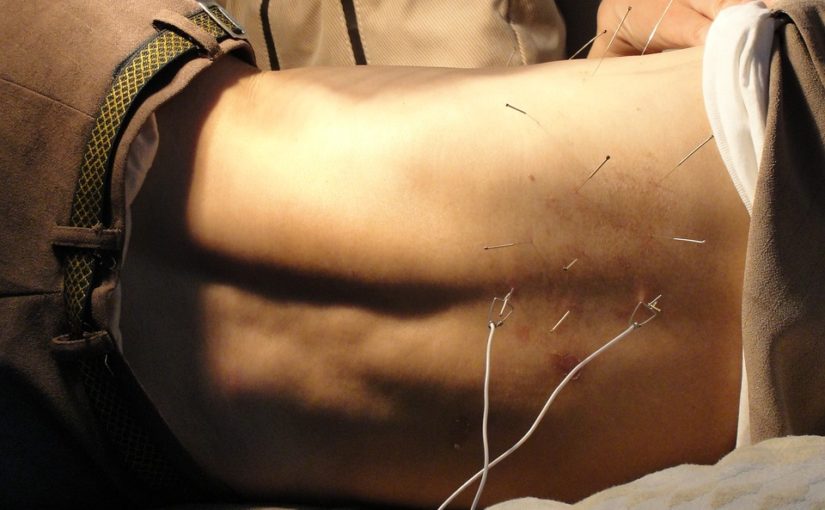
Acupuncture Training
Acupuncture training can take a substantial amount of time from the candidates, but medical acupuncturists have additional credentials to back their acupuncture specialty. Acupuncture training taps ...
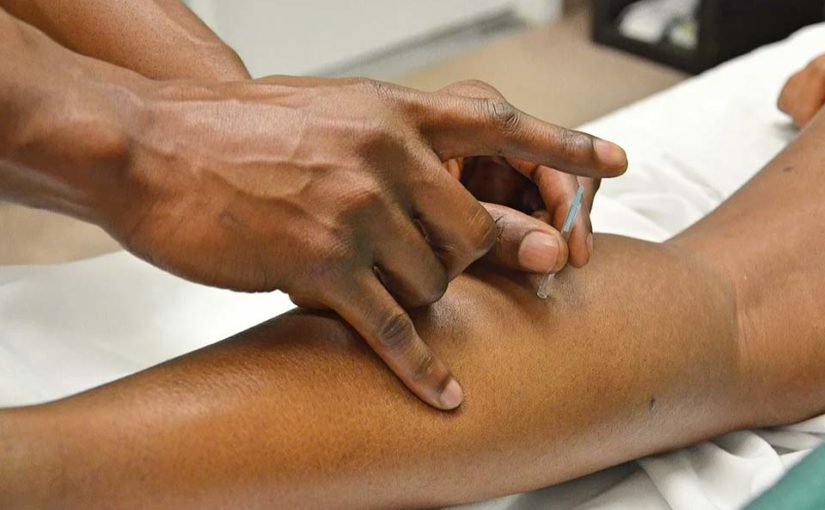
Acupuncture Schools in the US
Acupuncture schools are where the magic begins. These are special places where you learn the art and science of acupuncture – a practice that's all about ...